
In 1942, Errol Flynn was the most swoon-worthy man in America—Robin Hood, a pirate captain, a war hero on screen if not off it. Then came the headlines that threatened to end it all: two teenage girls, separate accusations, one word—rape.
The trial captivated the country for weeks. Flynn was acquitted. But the public didn’t just forgive him—they turned his scandal into slang. What exactly happened in that courtroom, and why did it make him more famous, not less?
The Golden Age of Swashbuckling
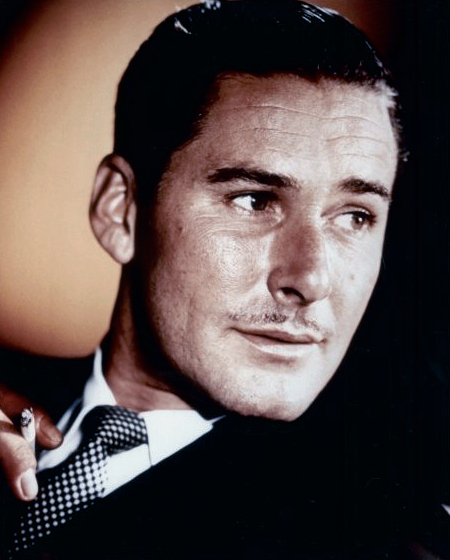
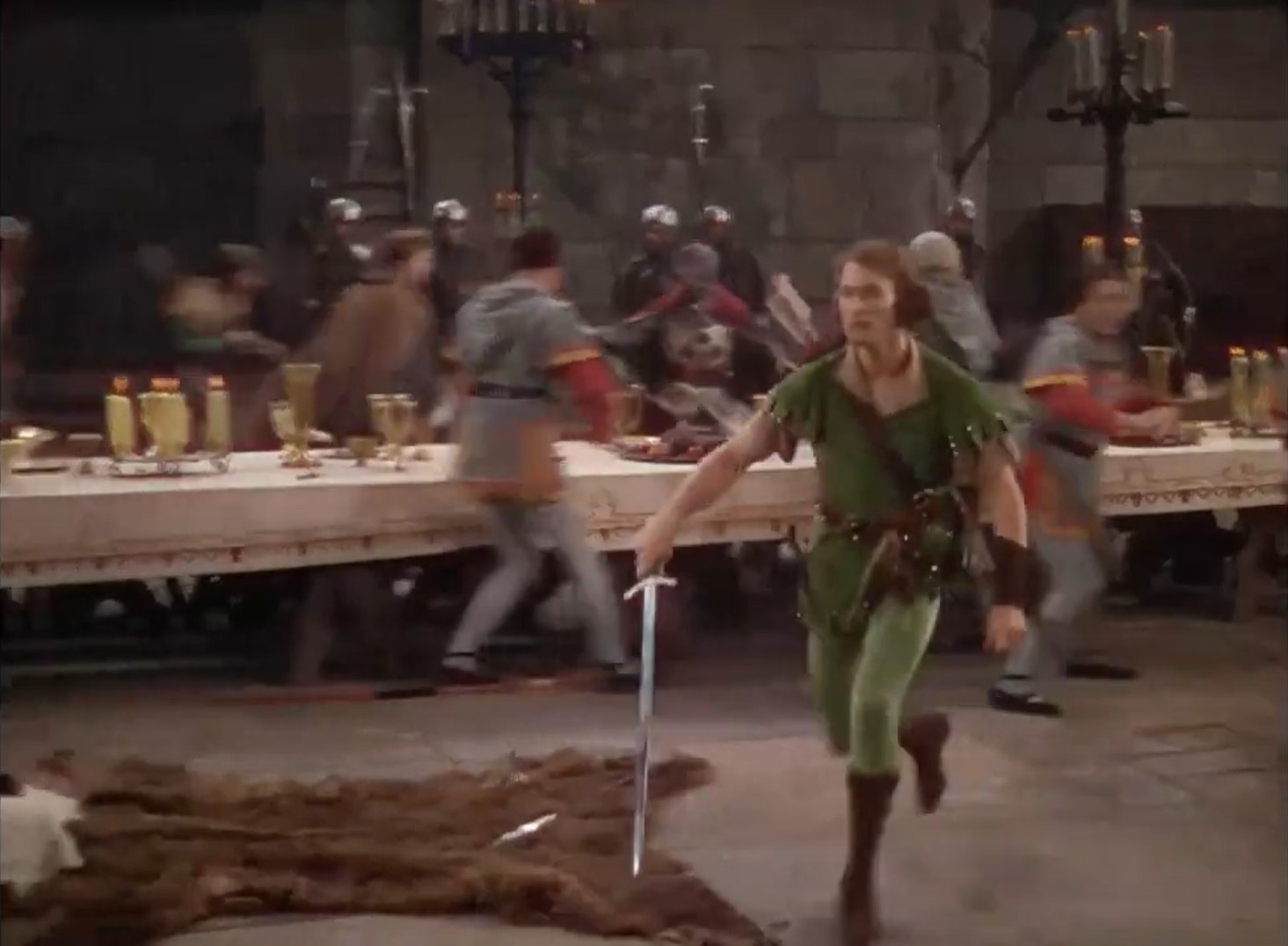
By the late 1930s, Errol Flynn was Warner Bros.’ biggest star, headlining Captain Blood, The Adventures of Robin Hood, and The Sea Hawk. Audiences saw a fearless, charming rogue with a sword in one hand and a grin on his face. Off-screen, Flynn lived the part just as hard—reckless, magnetic, and constantly chased by rumor.
The Man Behind the Grin
Friends described Flynn as restless and self-destructive, chasing thrills to outrun something deeper—insecurity masked by bravado. He drank heavily, gambled recklessly, and seemed almost allergic to stability. Those close to him sensed a man performing confidence he didn’t fully feel, even as the world worshipped his image.
The Trial That Shook Hollywood
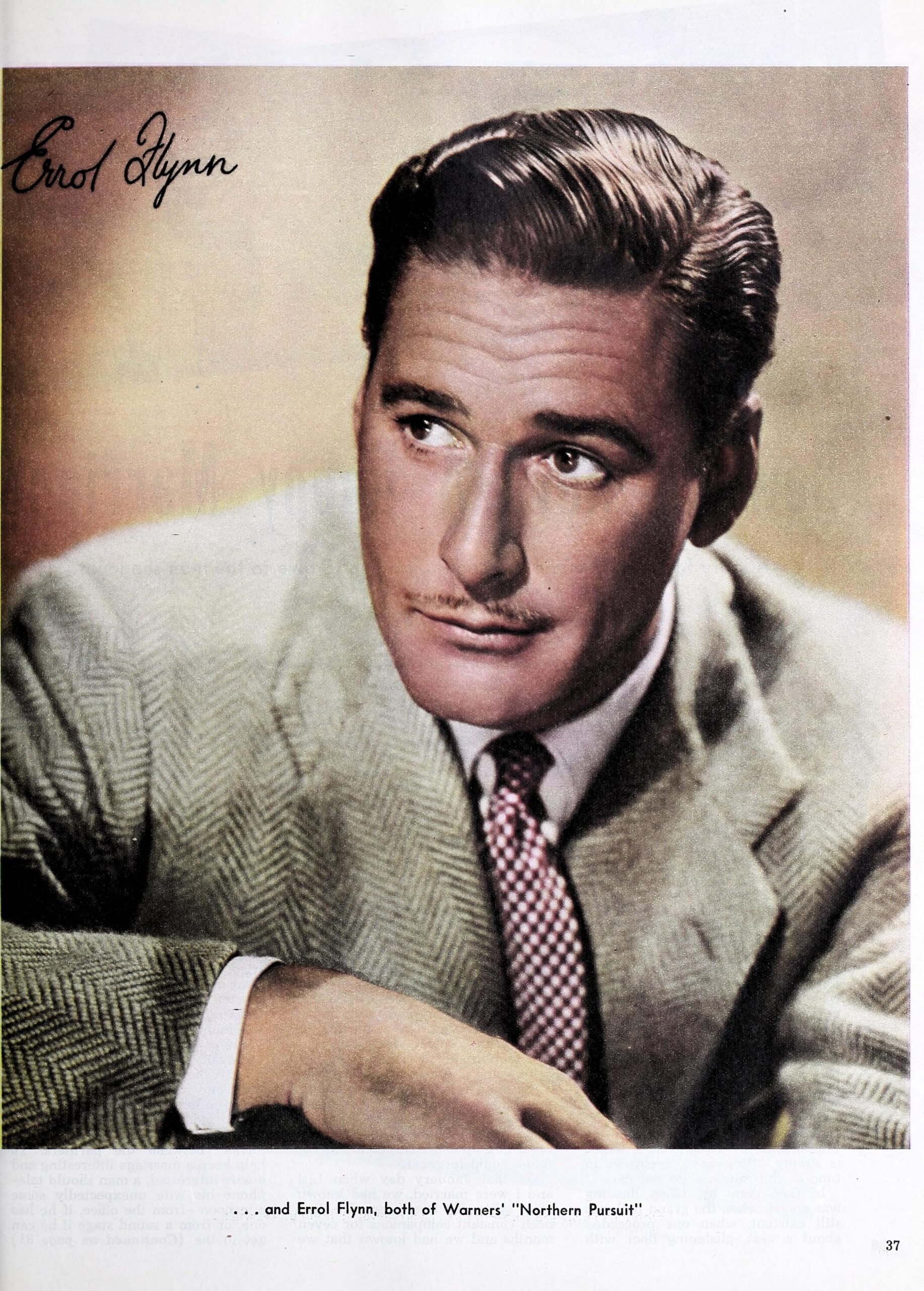
In 1942, Flynn was charged with statutory rape after two teenage girls came forward. The 1943 trial became a media circus, with tabloids dissecting every detail. Flynn’s defense team painted the accusers as unreliable, and after a sensational few weeks, the jury acquitted him. The verdict didn’t quiet the controversy—it amplified his legend, giving rise to the slang term ‘In Like Flynn,’ a phrase that stuck to American vocabulary long after the case faded from headlines.
A Complicated Legacy
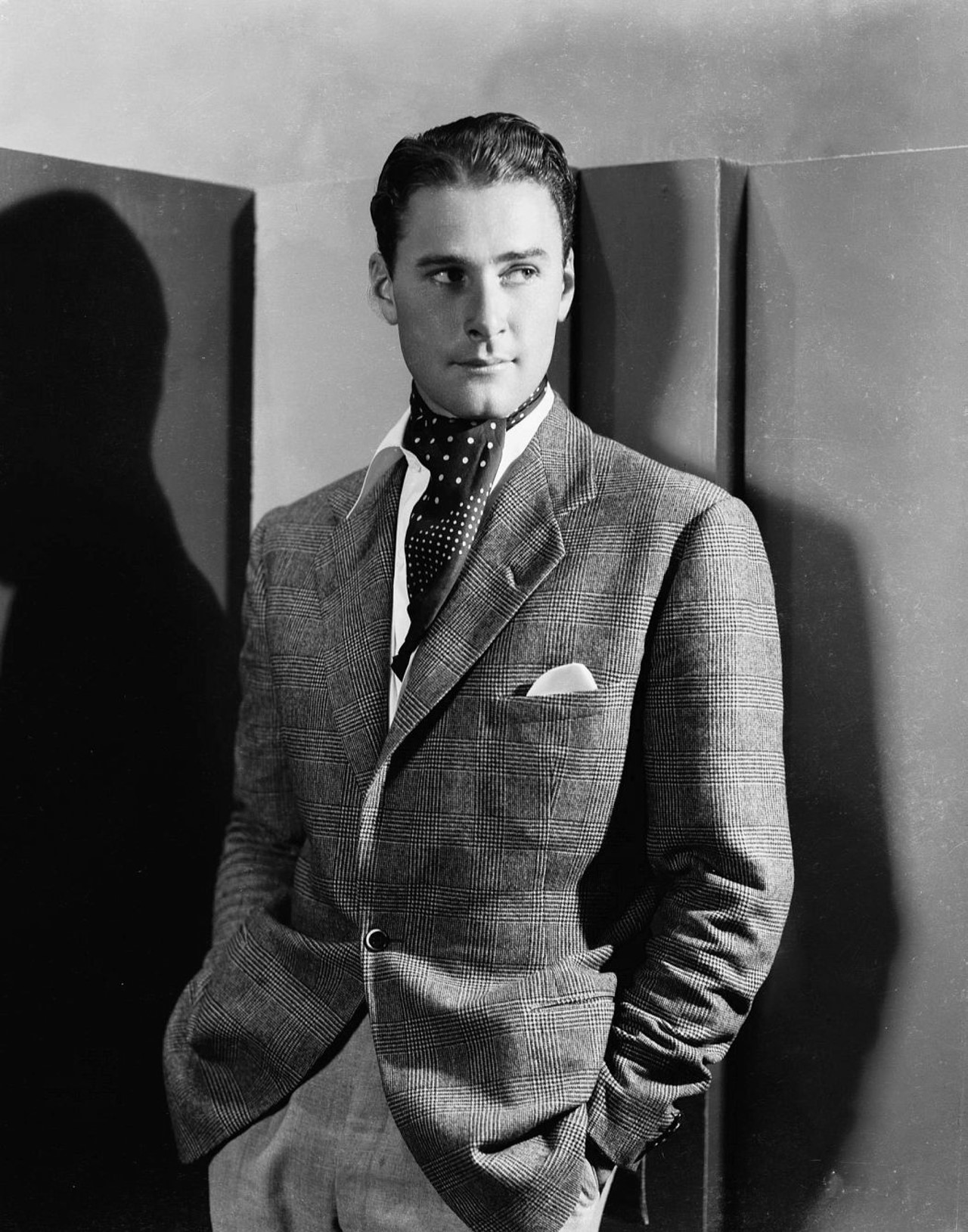
Errol Flynn died in 1959 at just 50, his body worn down by decades of hard living. Yet his name endures—not just for his swashbuckling films, but for the scandal that became cultural shorthand. Today, historians and fans still debate the trial’s fairness, and the phrase it spawned remains a strange, uncomfortable footnote to his glamorous legacy.
Photos via Wikimedia Commons (public domain).