
In 1938, William Powell was at the absolute top of his game — the wittiest, wealthiest, most beloved leading man in Hollywood. Audiences adored him as Nick Charles, the martini-swilling detective who made crime-solving look effortless and glamorous.
But that same year, a devastating diagnosis threatened to end everything, and MGM made sure the world never found out just how close they came to losing him. What really happened behind those studio walls?

The Golden Run of Nick Charles
By the mid-1930s, William Powell had become one of MGM’s most bankable stars, thanks largely to the runaway success of ‘The Thin Man’ series. His chemistry with Myrna Loy turned witty banter into box-office gold, and Powell was earning a fortune, commanding respect as one of the era’s most sophisticated leading men. Everything about his career suggested he was invincible.
A Guarded Man Behind the Charm
Off-screen, Powell was famously private, rarely giving interviews about his personal struggles and keeping colleagues at arm’s length outside of work. Friends described him as gracious but reserved, a man who preferred quiet dinners over Hollywood parties. That guarded nature would prove crucial in 1938, when he made a decision that shocked those closest to him: he would fight for his life without letting the public — or even most of the studio — know the truth.
The Diagnosis MGM Hid From the World
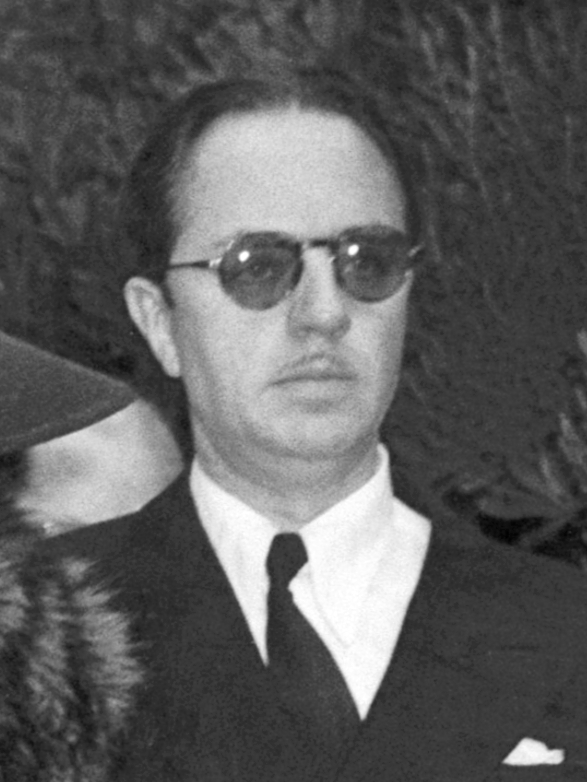
In late 1938, Powell was diagnosed with rectal cancer, a condition considered nearly a death sentence at the time. He underwent grueling surgery that left him with a colostomy, a detail MGM’s publicity machine scrubbed entirely from public record. Studio executives feared the news would tank his image as a suave leading man, so they quietly rescheduled productions and fed the press vague explanations about ‘exhaustion’ while Powell fought for survival behind closed doors.
A Quiet Comeback, A Lasting Legacy
Against all odds, Powell returned to the screen in 1939, resuming the Thin Man franchise as though nothing had happened. Audiences never suspected the ordeal he’d endured, and he continued acting well into the 1950s. Today, film historians point to his secret recovery as one of Old Hollywood’s most remarkable untold survival stories, a testament to the discipline and privacy that defined his entire career.
Photos via Wikimedia Commons (public domain).