
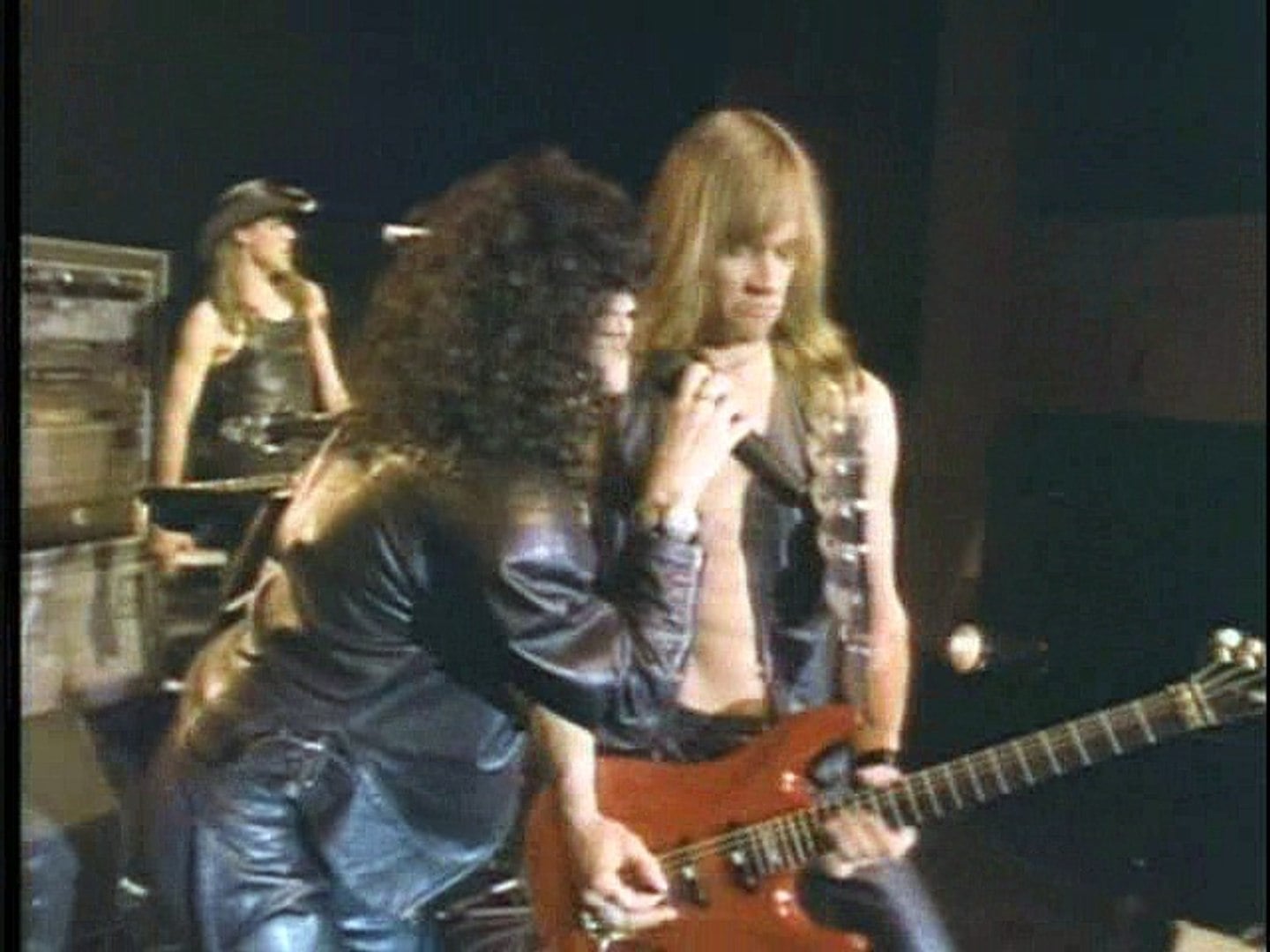

It was 1989, a year when the neon glow of the eighties was beginning to flicker out, replaced by the grittier, soul-searching edge of the nineties. In the midst of this shifting cultural landscape, a raspy-voiced Canadian singer named Alannah Myles stepped into a recording studio that would forever change her life. She was about to record a song that sounded like a fever dream born on a humid southern highway, a haunting, sultry tribute to the King of Rock ‘n’ Roll himself. She had absolutely no idea that this track, Black Velvet, would soon transcend its humble origins to become a global, multi-platinum phenomenon that defined an entire generation of radio listeners.
The genesis of Black Velvet was as gritty as the blues-rock texture Alannah Myles poured into every syllable. The song, written by David Tyson and Christopher Ward, was intended to evoke the raw, dangerous magnetism of Elvis Presley. When Alannah Myles leaned into the microphone to record those opening chords, she wasn’t just singing a pop hit; she was channeling the ghost of a legend. The atmosphere in the studio was electric, thick with the scent of cigarettes and the hum of analog gear, capturing a moment that felt both vintage and strikingly fresh. It was a time when the Jukebox and the burgeoning power of MTV were the primary gatekeepers of stardom, and this song hit the airwaves like a velvet hammer.
Yet, the road to international superstardom was rarely a smooth one for artists in the late eighties. While the world saw the glamorous music videos and heard the polished production, the reality for Alannah Myles was a grueling cycle of tours and the relentless pressure of the music industry. Black Velvet soared to number one in over a dozen countries, effectively turning her into a household name overnight. But with that massive success came the weight of expectation. The irony of the song, which describes a life of fame and fading light, was not lost on those who witnessed the rapid, exhausting trajectory of her career during those pivotal years.
Looking back at the song today, it remains a sonic landmark that bridges the gap between the bluesy rock of the past and the radio-friendly polish of the MTV era. The way Alannah Myles articulated the yearning in the lyrics gave the song a timeless quality that simple pop tracks lacked. It is a masterclass in vocal restraint and power, a testament to what happens when a singer perfectly aligns with a song’s soul. For many, hearing that iconic guitar riff still triggers an immediate wave of nostalgia, pulling them back to a time of Walkmans and late-night drives under the streetlights.
Alannah Myles may have been propelled by the momentum of a single massive hit, but her legacy as a formidable rock vocalist remains unquestioned. Black Velvet stands as a monument to her grit and the enduring influence of Elvis on the musicians who came after him. It serves as a reminder that behind every legendary track is a human story of transformation and the high cost of artistic vulnerability. As the final notes of the song fade into memory, we are reminded that some voices are simply built to haunt us forever.