
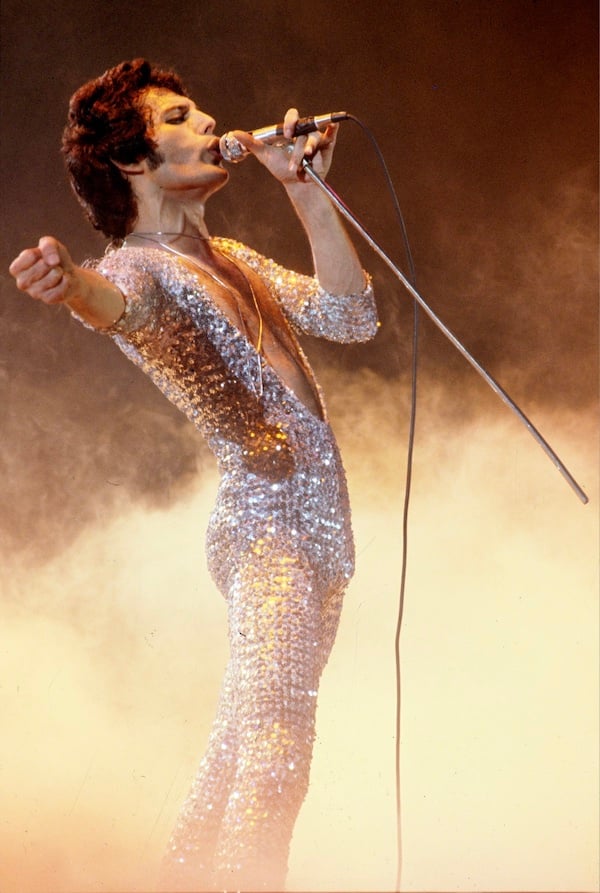

In 1975, the air in Rockfield Studios was thick with cigarette smoke, ambition, and the sound of impossible expectations. Queen was mid-session, recording a song that defied every rule of radio, logic, and structure. At the helm stood Roy Thomas Baker, a producer whose ears were as sharp as his nerves were fraying. He was pushing the analog limits of the era, crafting a wall of sound that would eventually become the operatic pillar of Bohemian Rhapsody. But in the process of layering those iconic vocal tracks, Roy Thomas Baker pushed the physical medium of the recording process to its absolute, terrifying breaking point.
Back in the analog heyday of the seventies, there was no digital ‘undo’ button. You worked with magnetic tape, a physical substance that wore down every time it passed over the playback head. To achieve the dense, choir-like sound of the band’s harmonies, Roy Thomas Baker had to bounce the tracks—re-recording multiple vocal layers onto a new tape again and again. It was a painstaking, obsessive procedure. He repeated this cycle so many times that the iron oxide—the magnetic coating that held the music—began to physically flake off the plastic base. The master tape was becoming transparent, rendered almost see-through by the sheer weight of Queen’s sonic ambition. They were quite literally destroying the masterpiece as they were creating it.
This near-disaster captures the spirit of an era where art was not just digital code, but a physical sacrifice. While today’s music exists in the pristine, clinical environment of a laptop, Roy Thomas Baker and Queen were working in the wild, unpredictable trenches of the mid-seventies. It was the age of the Jukebox and the spinning vinyl, where a mistake could leave a permanent mark on history. The tension in the room was palpable; they weren’t just making a record, they were chasing a ghost, layering hundreds of vocals to create a sound that defied the limitations of human breath and studio technology.
When the tape finally held together, the result changed the landscape of rock music forever. It became a cultural touchstone that transformed how we perceive the studio as an instrument itself. Roy Thomas Baker understood that the line between genius and ruin was razor-thin, and that greatness often required pushing beyond the edge of what seemed possible. His daring approach allowed the band to soar into the stratosphere, leaving behind a recording that remains the gold standard of production excellence decades later.
Today, we look back at this moment with a mix of awe and nostalgia. We are reminded of a time when music felt dangerous, tactile, and monumental. Even now, whenever those first piano chords hit, we are transported back to that studio in 1975, hearing the echoes of a tape that almost vanished into thin air. It serves as a hauntingly beautiful reminder that the best art often requires us to risk everything we have built just to see if it can survive the fire.