
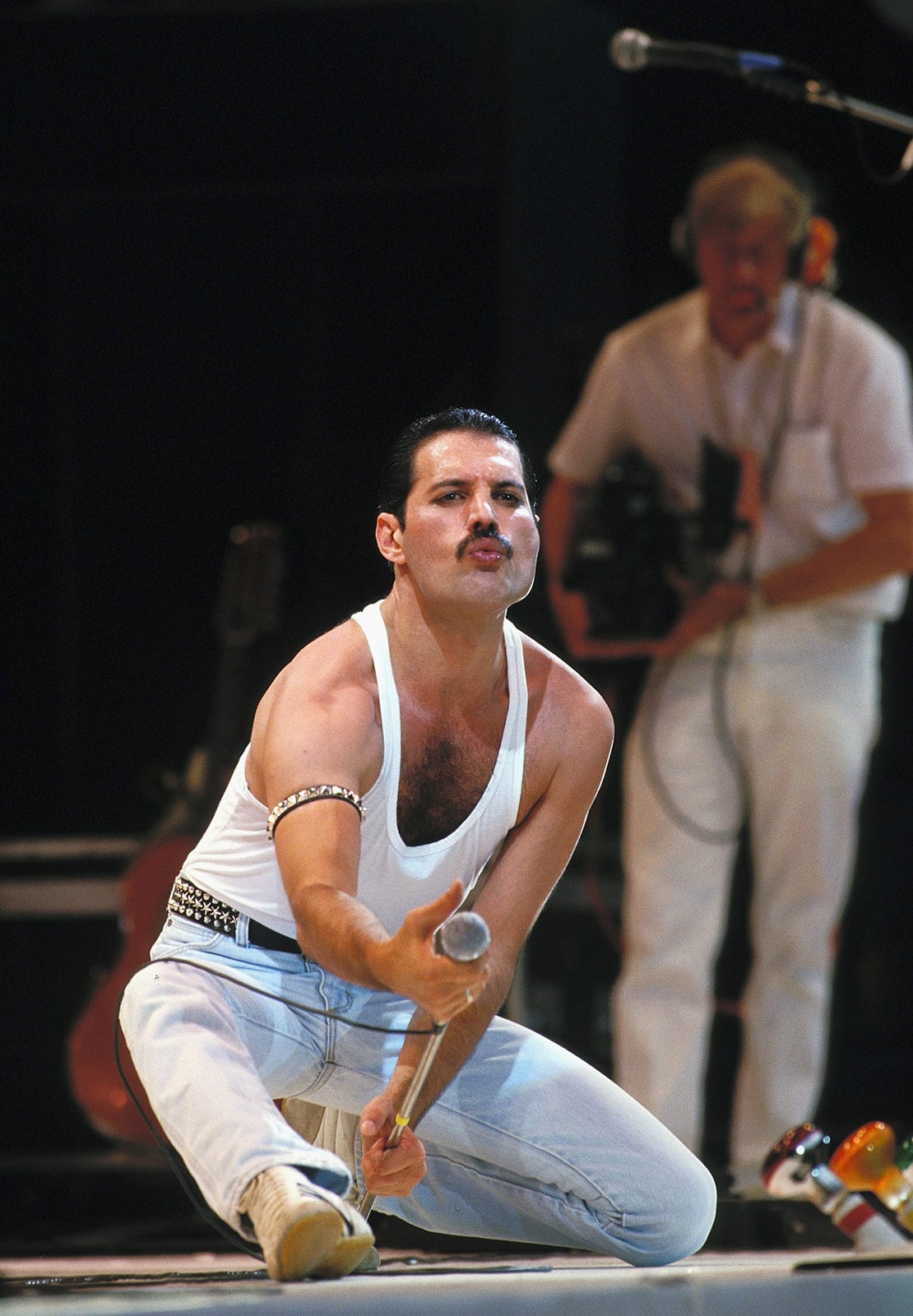

It was 1975, and the airwaves were dominated by the tight, predictable structures of radio-friendly pop. Deep within the polished halls of EMI Records, executives sat in hushed, nervous circles, staring at a master tape that defied every rule in the industry handbook. To them, the six-minute odyssey presented by Queen was not a masterpiece; it was commercial suicide. They flatly refused to release Bohemian Rhapsody, insisting that no listener would sit through a song that lacked a traditional chorus and featured a bizarre operatic mid-section. They were wrong, and that single act of bureaucratic arrogance set the stage for one of the greatest rebellions in music history.
Freddie Mercury, a man whose ambition was as vast as his vocal range, was not about to let his magnum opus wither away in a corporate vault. Driven by an unwavering belief in his vision, Mercury defied his superiors and took the track to a local radio DJ friend. By leaking the song to the public, he bypassed the gatekeepers entirely. The reaction was instantaneous and electric. Phone lines at radio stations across London began to light up like switchboards under siege. Listeners were captivated, confused, and utterly obsessed with the complex, multi-layered genius of Freddie Mercury and his bandmates.
This was the era of the Jukebox and the burgeoning power of FM radio, a time when a song could truly define a generation. Bohemian Rhapsody became an impossible phenomenon. It was a fusion of hard rock, balladry, and opera that should have collapsed under its own weight. Yet, under the spotlight of the mid-seventies, it soared. The song forced the industry to evolve, proving that audiences were far more sophisticated than the suits in the boardroom ever imagined. Queen had effectively shattered the rigid mold of rock and roll, turning a supposed disaster into a permanent pillar of the music canon.
The drama behind the track was emblematic of the intense internal pressure Queen faced during their meteoric rise. Behind the flamboyant costumes and the stadium-filling energy, the band was constantly battling the perception that they were merely excess. Freddie Mercury used that skepticism as fuel. He understood that rock music wasn’t just about melody; it was about theatricality and the bravery to experiment. When you listen to those iconic harmonies today, you aren’t just hearing a song; you are hearing the sound of an artist reclaiming his art from a music industry that wanted to play it safe.
Decades later, the legacy of that defiance still resonates with anyone who feels the itch of nonconformity. Queen did not just release a hit single; they redefined the boundaries of what a rock song could be. As we look back on the golden era of vinyl and stadium tours, the story of Bohemian Rhapsody remains a powerful reminder that the greatest art is often born from the courage to break the rules. Every time those first haunting piano notes echo through a room, we are reminded of the man who bet everything on a song that the world said would never work.