
She was the most photographed face of the twentieth century — porcelain, graceful, seemingly untouched by hardship. But underneath the couture and the camera-ready smile was a girl who once ate tulip bulbs to survive.
Audrey Hepburn rarely spoke about the years before fame. What exactly happened to her during the Nazi occupation of the Netherlands — and why did it take decades before the world found out?
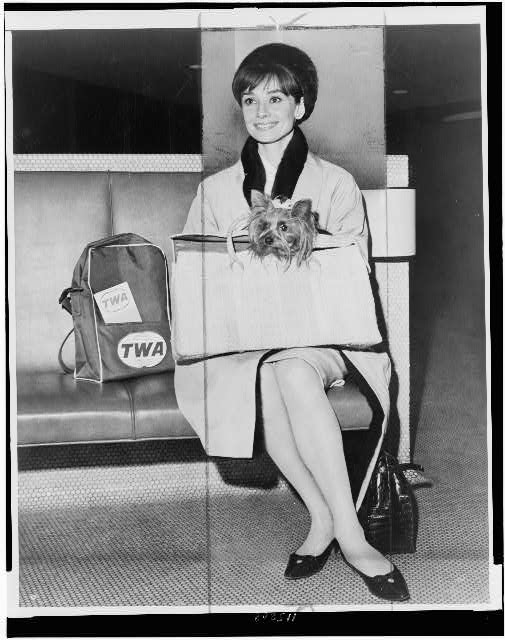
From Ballet Slippers to Movie Star
By the early 1950s, Audrey Hepburn had transformed from a struggling ballet student into the toast of Broadway and Hollywood. Roman Holiday made her an overnight sensation, and Breakfast at Tiffany’s cemented her as cinema’s definitive symbol of elegance. Audiences saw effortless grace — they had no idea what had been endured to produce it.
The Quiet Weight She Carried
Those close to Hepburn described a woman marked by an unusual stillness, a deep discomfort with excess, and an almost compulsive need to give rather than receive. She rarely discussed her past. Friends noticed she flinched at wasted food, obsessed over her children’s safety, and gave away money quietly, without fanfare — habits that seemed to trace back further than fame.
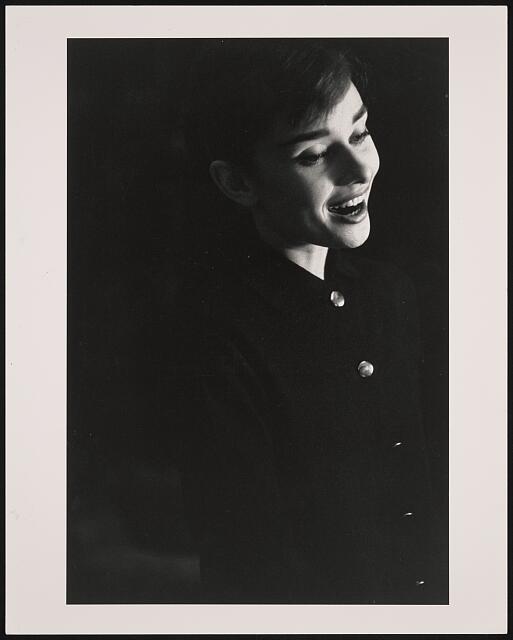
The Resistance Years She Buried
As a teenager in Arnhem during the Nazi occupation, Hepburn secretly carried messages and funds for the Dutch resistance, hiding notes in her ballet shoes. She watched her uncle executed in retaliation for sabotage. Her family survived the brutal ‘Hunger Winter’ of 1944 on tulip bulbs and grass soup — malnutrition so severe it permanently altered her metabolism and famously slender frame.
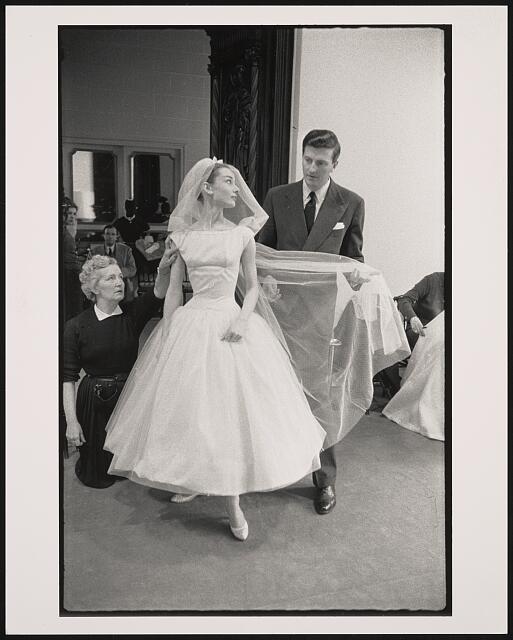
Why She Finally Went Back
In her final years, Hepburn walked away from Hollywood to work as a UNICEF ambassador, traveling to famine-stricken regions in Africa and Asia. She told colleagues she recognized the hunger in children’s eyes because she’d lived it herself. It wasn’t charity to her — it was a debt she felt she owed the child she once was.
Photos via the Library of Congress (public domain).